International Decarbonization Partnership

International Decarbonization Partnership

A publicprivate partnership implementing country-wide power sector energy transitions in emerging markets and developing economies
a Marshall Plan for the planet.

The Initiative

A Call to Leadership

The IDP makes decarbonization of national power sectors in whole countries not only possible, but profitable

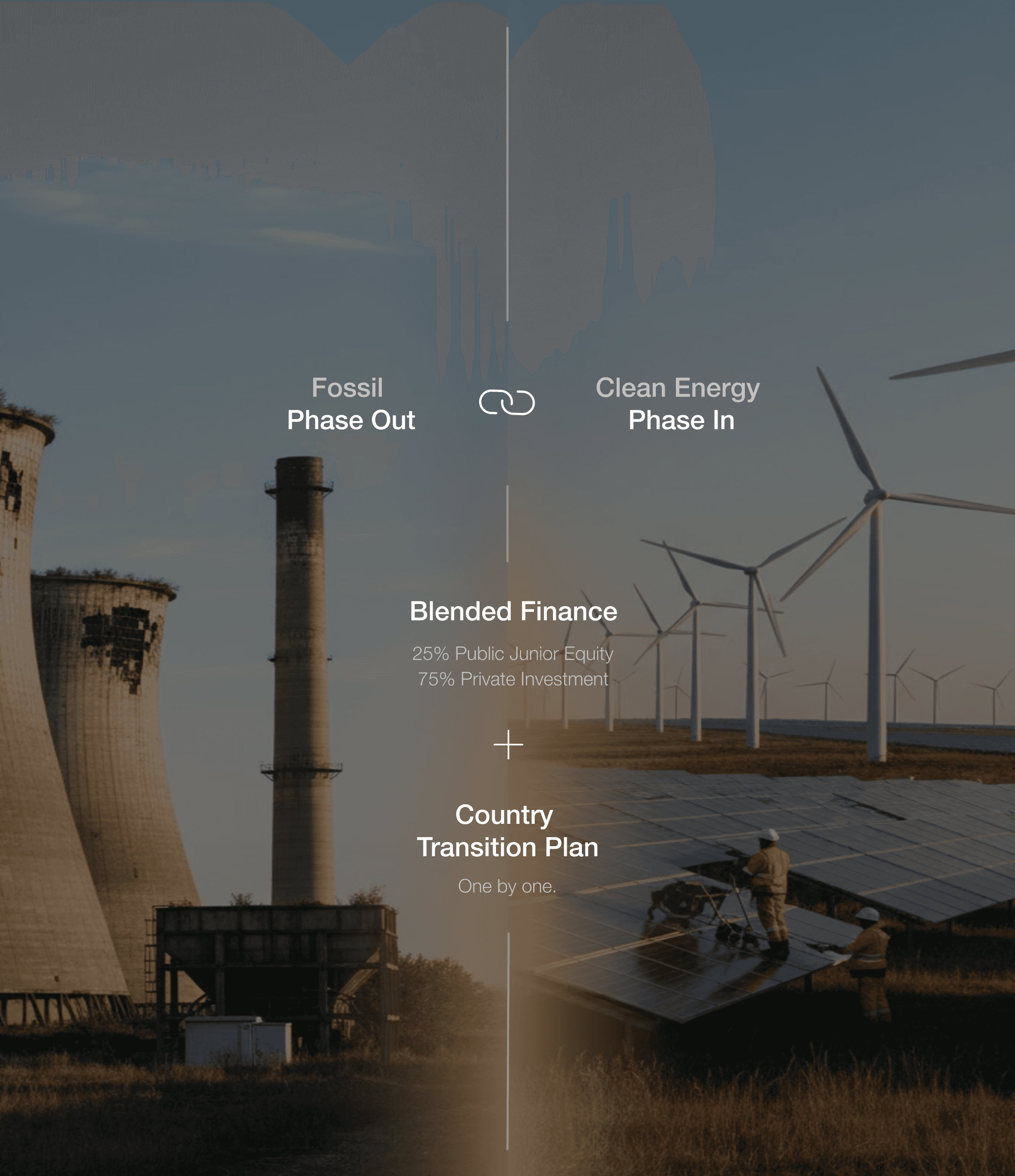
Targeted public grants and junior equity are used to unlock a three-to-one ratio of private investment for participating countries.

This blended capital enables whole-system energy transitions at scale.  In participating emerging markets and developing economies, partner countries and the private sector finance new renewable energy infrastructure alongside a structured, just retirement of fossil assets.

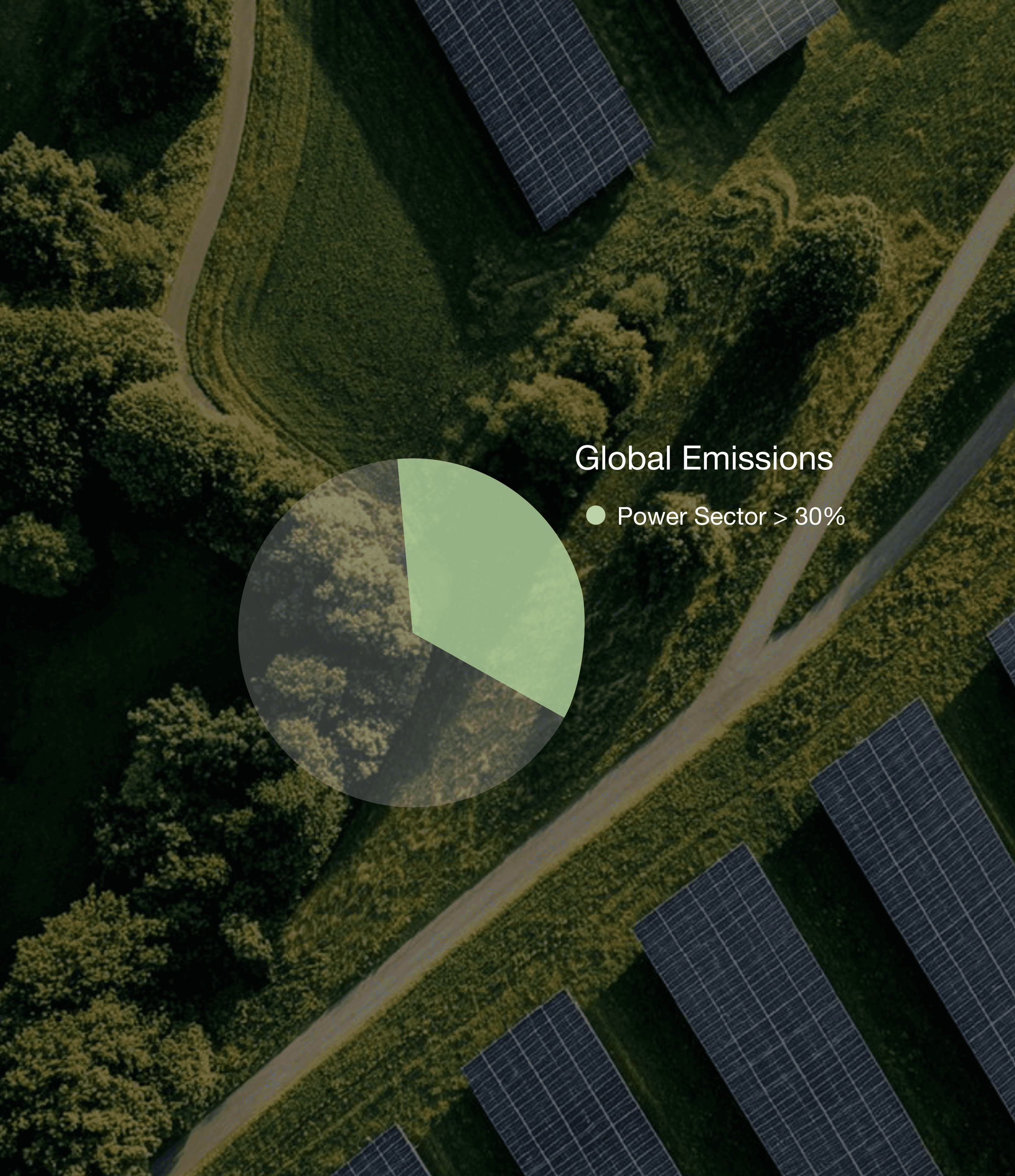
Emerging economies now account for 70% of global annual greenhouse gas emissions.  The world’s remaining carbon budget is rapidly shrinking.  Working together, we can support rapid transitions to clean power infrastructure in emerging markets that deliver energy security and development while mitigating climate change.

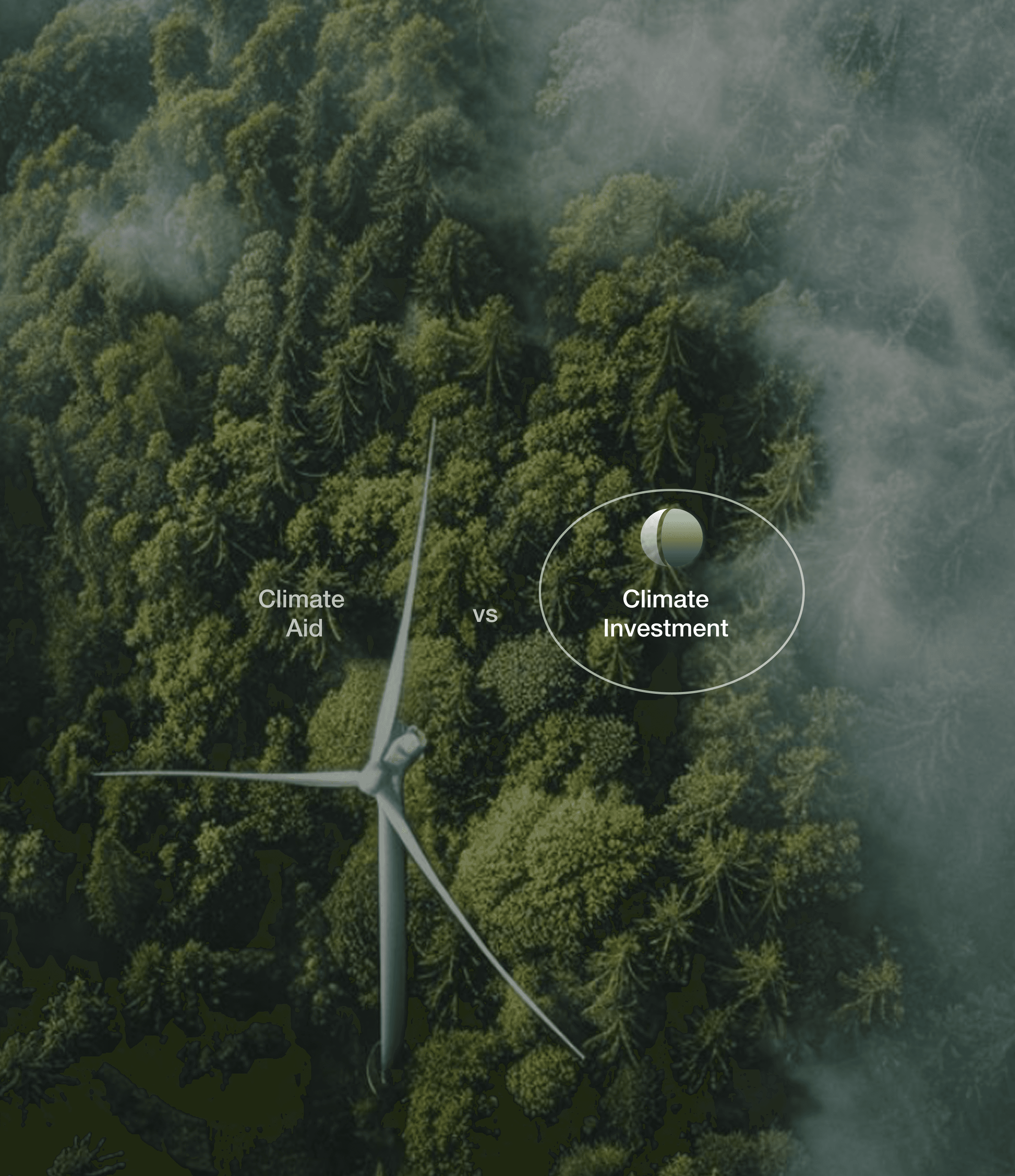
The window to act is closing fast.  Join us to invest in a livable future.  This is climate investment, not climate aid.  

Partner with the IDP today.

Our Approach

From Pledges to Action

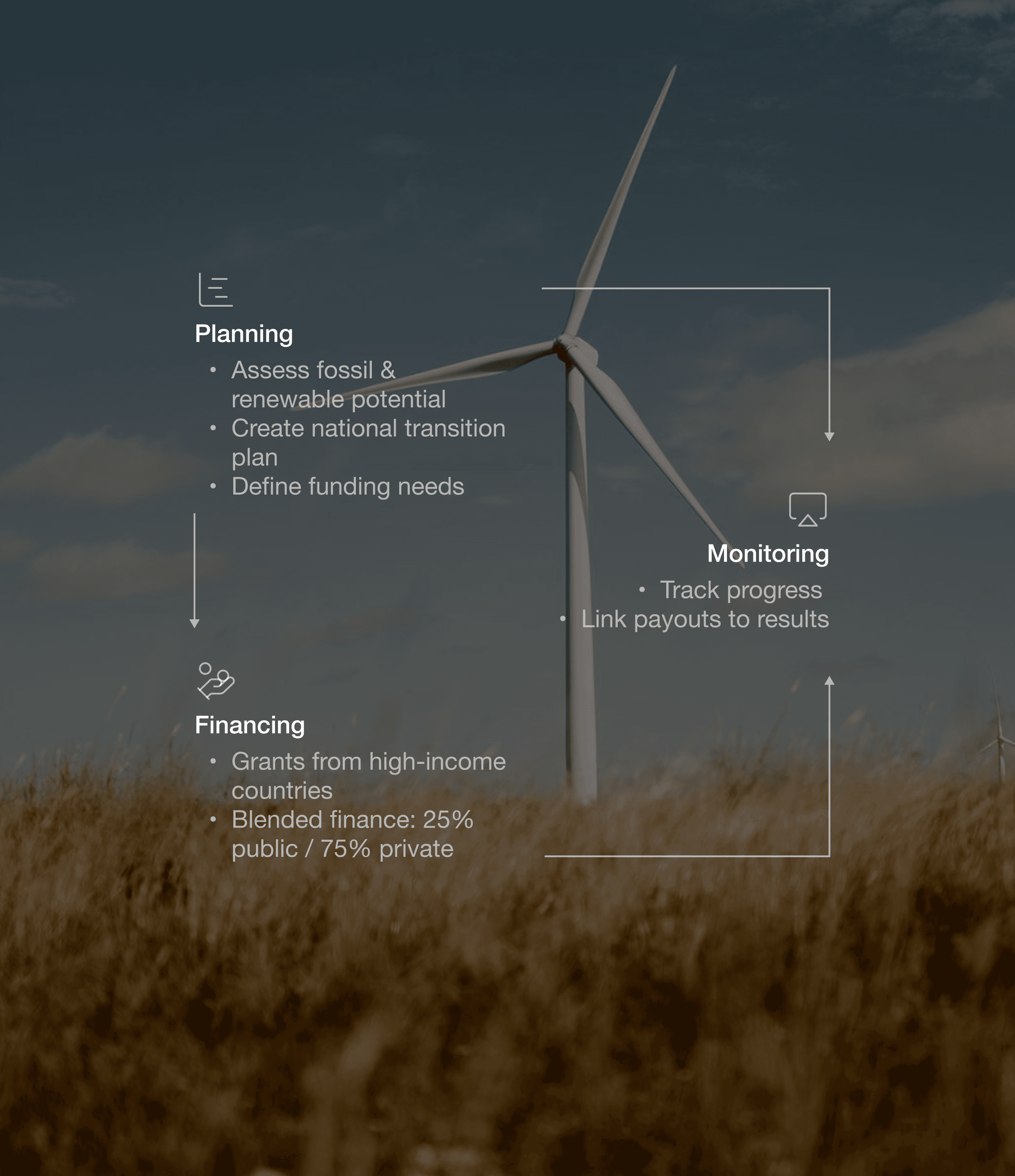
IDP operationalizes country-level clean power transitions through dedicated funds, a standardized process and a transparent data platform - ensuring that finance and emissions reductions go hand in hand.

Climate Investment, Not Climate Aid

Public junior equity for clean power phase-in investments is forecast to be NPV-positive, even before accounting for avoided climate and health damages. Avoiding CO₂ in emerging and developing economies (EMDEs) costs far less than in high-income countries (HICs)— making IDP the most efficient and high-return climate investment available.

Power Sector First

Country Transition Funds

A Standardized Process

The IDP Decarbonization Platform

Learning from Precedents

Climate Investment, Not Climate Aid

Public junior equity for clean power phase-in investments is forecast to be NPV-positive, even before accounting for avoided climate and health damages. Avoiding CO₂ in emerging and developing economies (EMDEs) costs far less than in high-income countries (HICs)— making IDP the most efficient and high-return climate investment available.

Power Sector First

Country Transition Funds

A Standardized Process

The IDP Decarbonization Platform

Learning from Precedents

Climate Investment, Not Climate Aid

Public junior equity for clean power phase-in investments is forecast to be NPV-positive, even before accounting for avoided climate and health damages. Avoiding CO₂ in emerging and developing economies (EMDEs) costs far less than in high-income countries (HICs)— making IDP the most efficient and high-return climate investment available.

Power Sector First

Country Transition Funds

A Standardized Process

The IDP Decarbonization Platform

Learning from Precedents

Climate Investment, Not Climate Aid

Public junior equity for clean power phase-in investments is forecast to be NPV-positive, even before accounting for avoided climate and health damages. Avoiding CO₂ in emerging and developing economies (EMDEs) costs far less than in high-income countries (HICs)— making IDP the most efficient and high-return climate investment available.

Power Sector First

Country Transition Funds

A Standardized Process

The IDP Decarbonization Platform

Learning from Precedents

Our Partners

A Coalition of Knowledge and Action

IDP builds on the climate-finance scholarship and implementation experience of leading research and policy institutions — combining analytics, policy, and finance to deliver measurable decarbonization at scale.

Our Advisors

The Advisors of IDP

Who we Are

The Team

The IDP brings together leading researchers, policy experts, and institutions dedicated to accelerating the global transition to net-zero. Our team combines academic rigor with practical impact, uniting insights from economics, technology, and policy.

The IDP brings together leading researchers, policy experts, and institutions dedicated to accelerating the global transition to net-zero. Our team combines academic rigor with practical impact, uniting insights from economics, technology, and policy.

Insights, Programs & News

Learn More

Photo: https://unsplash.com/@awesome

Research Spotlight

Selected work by Dr. Alissa M. Kleinnijenhuis on scaling climate investment.

Photo: https://unsplash.com/@elnazasadi

IDP hosted a session at the Planetary Science Pavilion - watch here

IDP hosted a session at the Planetary Science Pavilion - see our youtube channel for more

Photo: https://unsplash.com/@etienneboesiger

Bruegel Summit

IDP representatives will join high-level dialogues on financing and implementing the global energy transition.

Get in Touch

For partnerships, advisory participation, or program inquiries, please contact us.

FAQ

Frequently Asked Questions

Everything you need to know about IDP.

Everything you need to know about IDP.

Everything you need to know.

What is the International Decarbonization Partnership?

What does the IDP do in practice?

How many partner countries are needed to make this work?

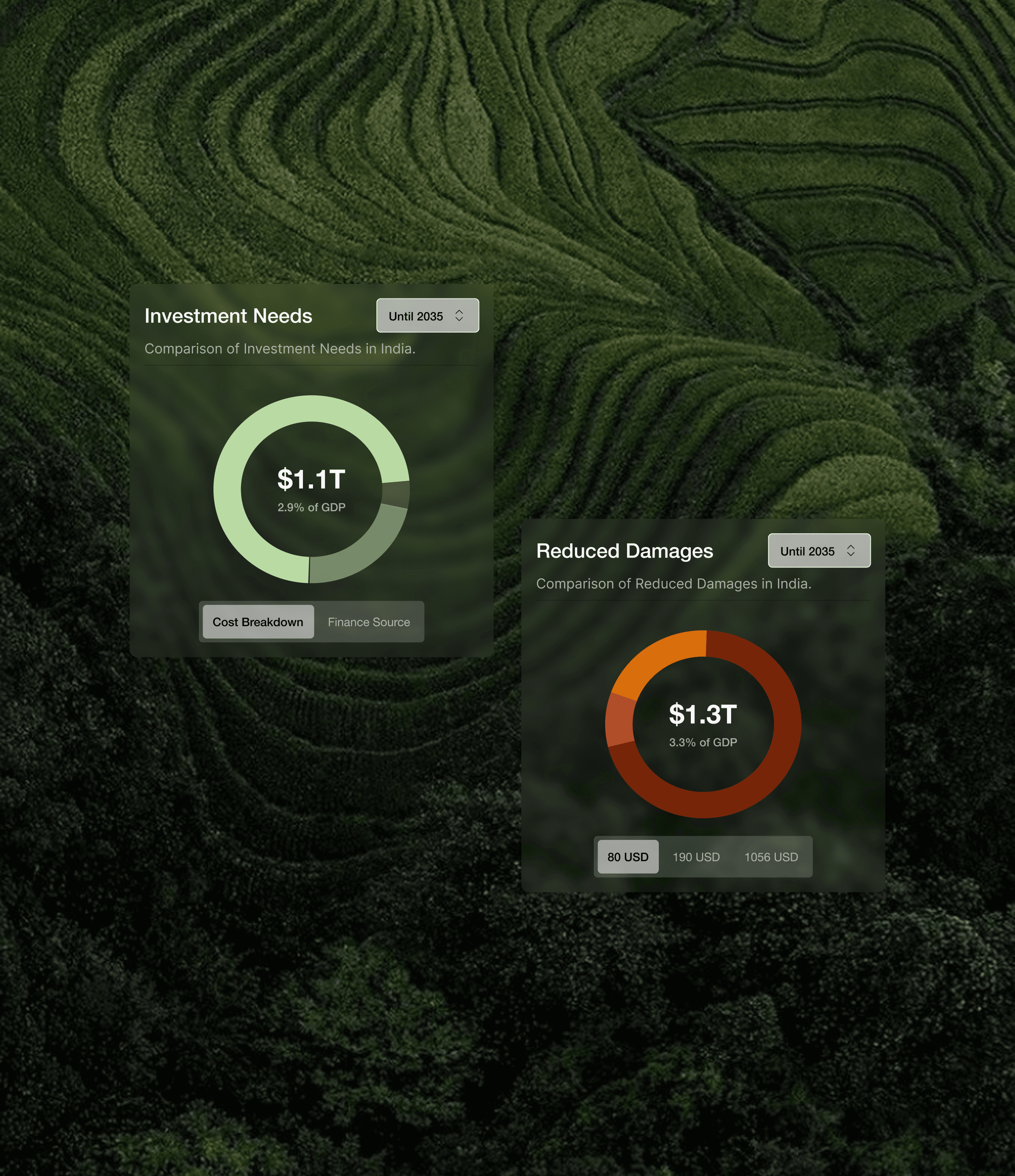
How much money is needed?

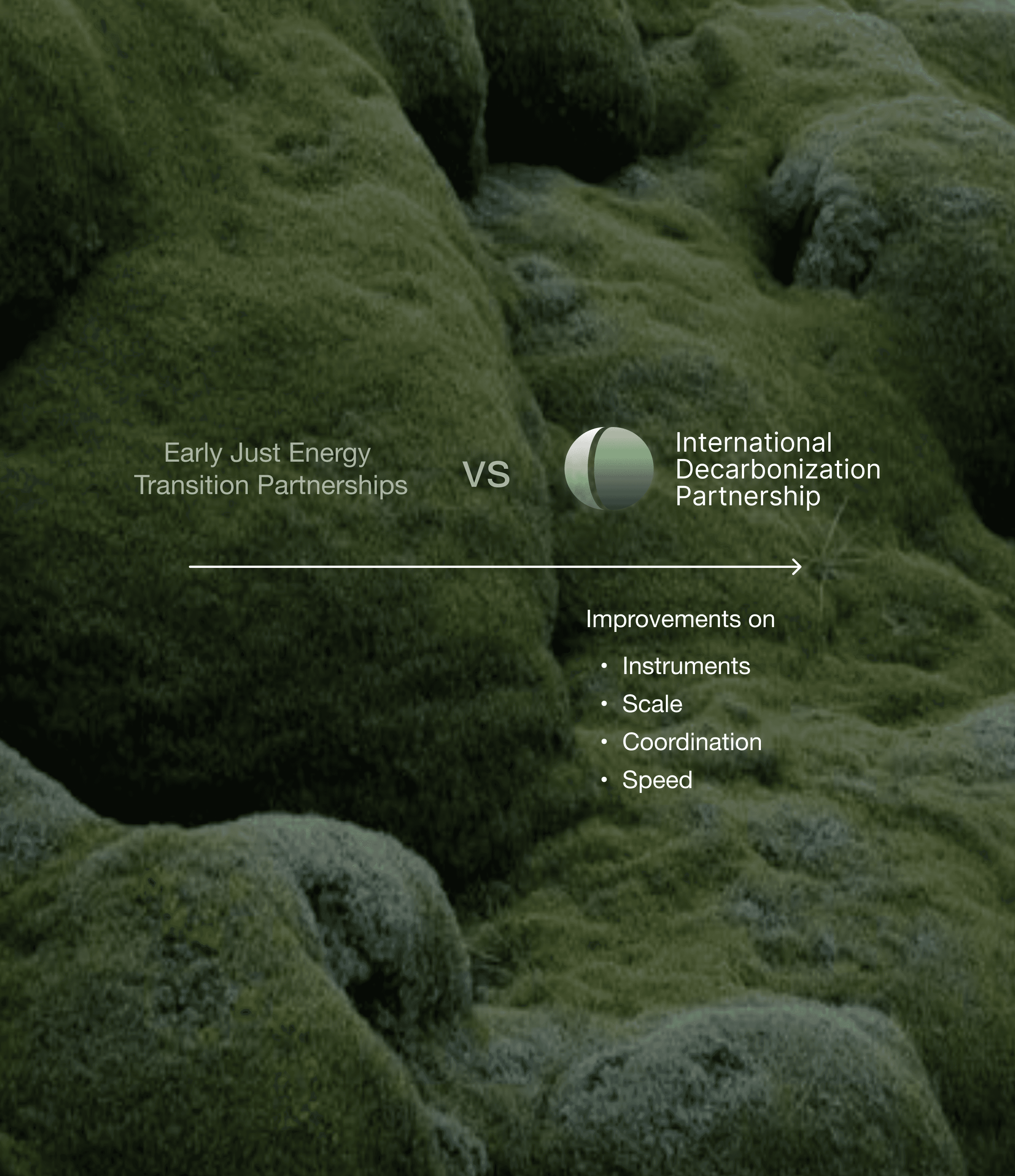
How is the IDP different from other climate initiatives?

Is the expected investment return positive for both public and private participants?

If decarbonization can be profitable, why is it not already happening?

Is it justifiable to decommission productive power assets in countries that do not yet produce sufficient power for their population?

Is there a need for a new organization or fund in this space?

Could sustainability-linked sovereign bonds work in this context?

Grid capacity in EMDEs is a bottleneck - how do you intend to address this?

How can my organization get involved?

What is the International Decarbonization Partnership?

What does the IDP do in practice?

How many partner countries are needed to make this work?

How much money is needed?

How is the IDP different from other climate initiatives?

Is the expected investment return positive for both public and private participants?

If decarbonization can be profitable, why is it not already happening?

Is it justifiable to decommission productive power assets in countries that do not yet produce sufficient power for their population?

Is there a need for a new organization or fund in this space?

Could sustainability-linked sovereign bonds work in this context?

Grid capacity in EMDEs is a bottleneck - how do you intend to address this?

How can my organization get involved?

What is the International Decarbonization Partnership?

What does the IDP do in practice?

How many partner countries are needed to make this work?

How much money is needed?

How is the IDP different from other climate initiatives?

Is the expected investment return positive for both public and private participants?

If decarbonization can be profitable, why is it not already happening?

Is it justifiable to decommission productive power assets in countries that do not yet produce sufficient power for their population?

Is there a need for a new organization or fund in this space?

Could sustainability-linked sovereign bonds work in this context?

Grid capacity in EMDEs is a bottleneck - how do you intend to address this?

How can my organization get involved?

A public–private partnership implementing country-wide energy transition in emerging markets and developing economies — a Marshall Plan for the planet.

© 2025 International Decarbonization Partnership

Our Advisors

The Advisors of IDP